Home » North East India » Festivals
Festivals
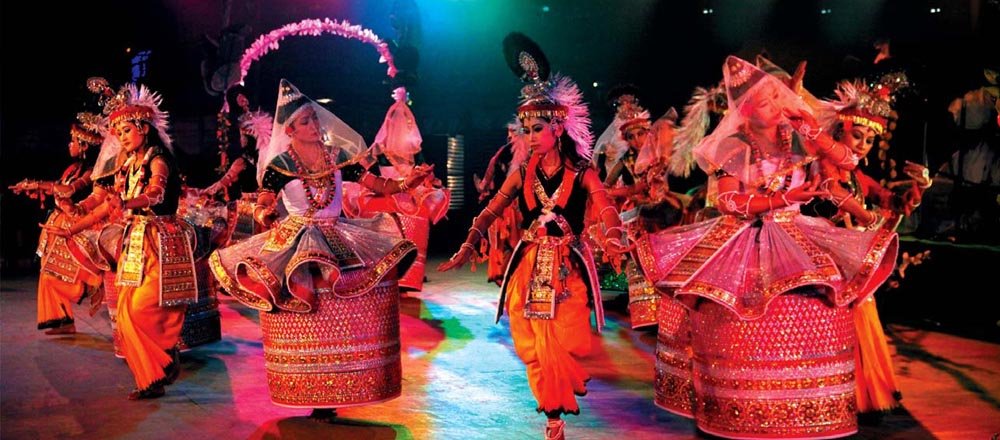
The festivals of North East India reflect the rich and diverse cultural tapestry of this region, known for its vibrant traditions, indigenous communities, and breathtaking landscapes. Each festival is a celebration of identity, heritage, and the harmonious coexistence of various ethnic groups. Here's a glimpse into some of the prominent festivals that showcase the unique North East Indian culture:
Celebrations: The festival spans three phases - Rongali Bihu, Kongali Bihu, and Bhogali Bihu. Rongali Bihu involves traditional folk dances like Bihu and Husori, accompanied by feasts and cultural events. Bhogali Bihu is a time for community feasts, bonfires, and games.
Celebrations: The Hornbill Festival features traditional Naga dances, folk songs, indigenous games, and crafts. The festival provides a platform for various tribes to display their distinctive customs, attires, and culinary delights.
Celebrations: Beyond music performances, the festival includes workshops, local craft markets, and camping experiences. It provides a platform for independent and indigenous artists, creating a unique blend of traditional and modern artistic expressions.
Celebrations: The festival is marked by traditional dances, folk music, and vibrant costumes. It includes community feasts, where various Mizo delicacies are shared. The festival fosters a sense of unity and pride in the Mizo cultural identity.
Celebrations: The festival involves rhythmic drum beats, traditional dances like Wangala and Rongma, and a grand procession of decorated elephants. It showcases the rich agricultural heritage of the Garo community.
Celebrations: Losoong is characterized by traditional Cham dances, archery competitions, and vibrant processions. The festival reflects the Bhutia culture's spiritual connection with nature and the changing seasons.
Celebrations: The festival involves traditional rituals, including the symbolic cleaning of water sources and a colorful procession with bamboo poles. A key highlight is the traditional game of 'tug of war' between rival villages.
These festivals not only exemplify the cultural richness of North East India but also provide a platform for communities to come together, share their heritage, and promote a sense of unity and diversity.
Bihu Festival (Assam):
Significance: Bihu is the most widely celebrated festival in Assam, marking the Assamese New Year and the arrival of spring.Celebrations: The festival spans three phases - Rongali Bihu, Kongali Bihu, and Bhogali Bihu. Rongali Bihu involves traditional folk dances like Bihu and Husori, accompanied by feasts and cultural events. Bhogali Bihu is a time for community feasts, bonfires, and games.
Hornbill Festival (Nagaland):
Significance: Named after the Great Indian Hornbill, this festival is a celebration of Naga heritage, showcasing the state's diverse tribes and their unique traditions.Celebrations: The Hornbill Festival features traditional Naga dances, folk songs, indigenous games, and crafts. The festival provides a platform for various tribes to display their distinctive customs, attires, and culinary delights.
Ziro Festival of Music (Arunachal Pradesh):
Significance: This contemporary music festival held in the picturesque Ziro Valley brings together artists from across the country, promoting cultural exchange and fostering a sense of unity.Celebrations: Beyond music performances, the festival includes workshops, local craft markets, and camping experiences. It provides a platform for independent and indigenous artists, creating a unique blend of traditional and modern artistic expressions.
Chapchar Kut (Mizoram):
Significance: Chapchar Kut is the Mizo harvest festival, celebrating the completion of the Jhum cultivation cycle.Celebrations: The festival is marked by traditional dances, folk music, and vibrant costumes. It includes community feasts, where various Mizo delicacies are shared. The festival fosters a sense of unity and pride in the Mizo cultural identity.
Wangala Festival (Meghalaya):
Significance: Also known as the Hundred Drums Festival, Wangala is a Garo tribal harvest festival celebrated to express gratitude to the Sun God for a bountiful harvest.Celebrations: The festival involves rhythmic drum beats, traditional dances like Wangala and Rongma, and a grand procession of decorated elephants. It showcases the rich agricultural heritage of the Garo community.
Losoong Festival (Sikkim):
Significance: Celebrated by the Bhutia community, Losoong marks the end of the harvest season and the onset of winter.Celebrations: Losoong is characterized by traditional Cham dances, archery competitions, and vibrant processions. The festival reflects the Bhutia culture's spiritual connection with nature and the changing seasons.
Behdienkhlam Festival (Meghalaya):
Significance: Celebrated by the Jaintia community, Behdienkhlam is a unique festival seeking protection from diseases and evil spirits.Celebrations: The festival involves traditional rituals, including the symbolic cleaning of water sources and a colorful procession with bamboo poles. A key highlight is the traditional game of 'tug of war' between rival villages.
These festivals not only exemplify the cultural richness of North East India but also provide a platform for communities to come together, share their heritage, and promote a sense of unity and diversity.
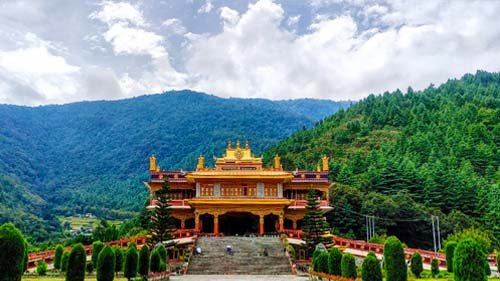
Sightseen Tour Booking
Explore captivating destinations hassle-free with our seamless sightseeing tour booking, creating unforgettable travel experiences with ease.

Transfer Booking
Simplify your travel: Ensure smooth transitions with efficient and reliable transfer booking services for seamless journeys.
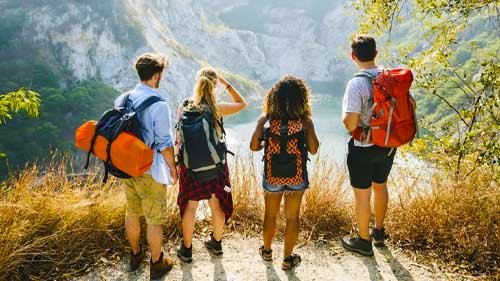
Tour Guide Booking
Elevate your exploration: Book knowledgeable guides for enriched travel experiences, unlocking the essence of every destination.
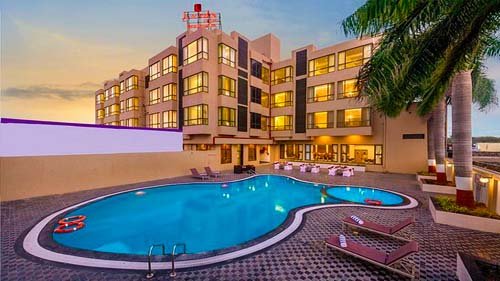
Hotel Booking
Plan your stay effortlessly, book top-notch accommodations worldwide for a comfortable and memorable travel experience.

Get started with PreludeDMC
Initiate Your Journey with us for Exceptional Experiences!.
- 1Select your preferred tours
- 2Enquire the tour packages
- 3Book directly with your mobile